Emergency Roof Tarping in Chamblee, GA
24/7 emergency line: call 770-525-6302. If water is coming through your ceiling after a storm, Top Notch Guard Roofing offers emergency roof tarping in Chamblee, GA, day or night. A properly installed tarp keeps rain out of your home until the roof can be permanently repaired.
This page explains what tarping does, when it is safe to try yourself and when it is not, what affects the cost, and how to document everything for your insurance claim. If you have an active leak right now, call first and read the rest after.
What is emergency roof tarping and when do you need it?
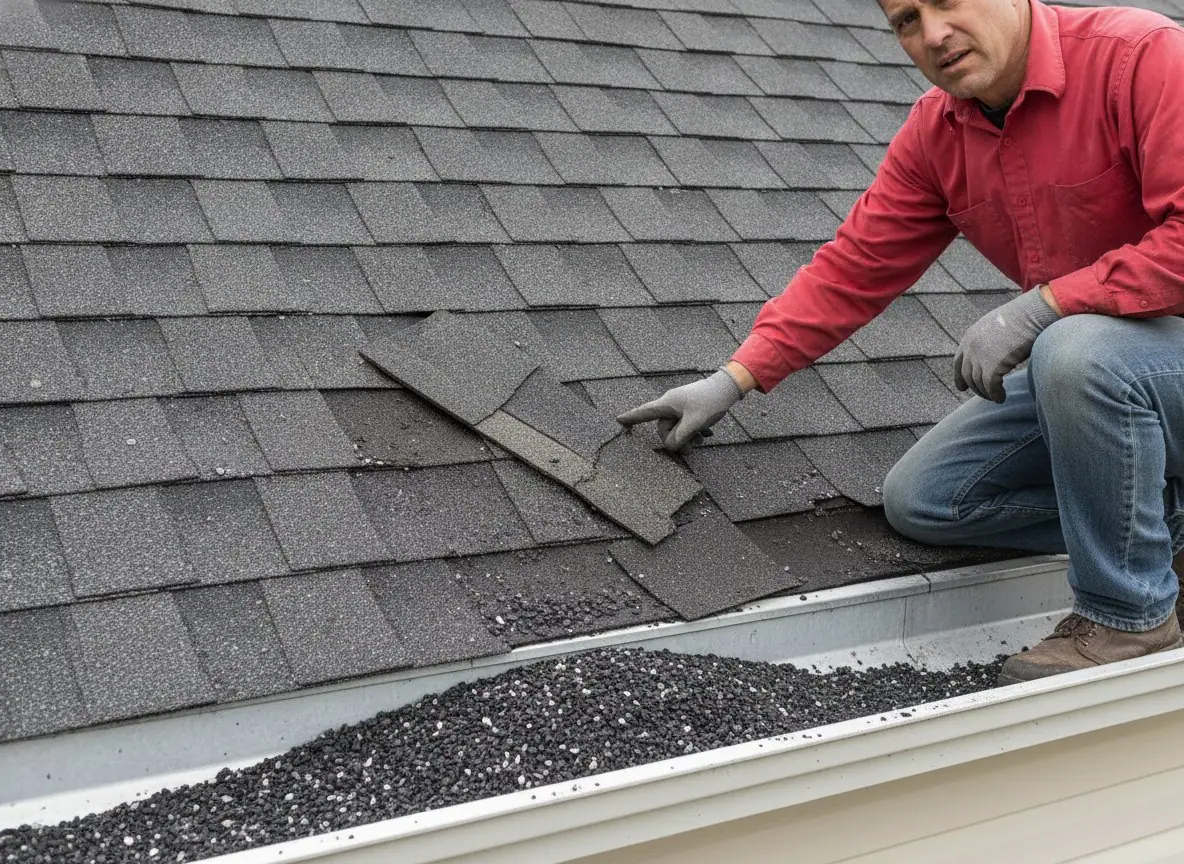
Emergency roof tarping means covering a damaged section of roof with a heavy-duty waterproof tarp to stop water from entering the house until a permanent repair can be made. It does not fix the roof. It protects the decking, insulation, drywall, and belongings underneath while you sort out the repair and the insurance claim.
You likely need roof tarping when you see any of these:
- Missing shingles or exposed underlayment or decking after high winds
- A tree limb that has punctured or cracked the roof
- Water stains spreading on the ceiling, or water dripping during rain
- Lifted flashing around a chimney, skylight, or roof valley
- More rain in the forecast and no permanent repair scheduled yet
Tarping is a common first step in damage mitigation. Most homeowner policies expect you to take reasonable steps to prevent further damage. The more urgent question is usually what to do while the rain is still falling.
How to stop a leaking roof during heavy rain?
During heavy rain, focus on controlling the water inside the house and stay off the roof. Wet shingles, wind, and lightning make roof work dangerous, even for trained crews without the right equipment.
- Contain the drip. Set buckets, pans, or towels under the leak and move furniture and electronics out of the way.
- Relieve ceiling bulges. If drywall is sagging with water, carefully puncture the lowest point with a screwdriver over a bucket. This releases the water in a controlled way and can prevent a ceiling collapse.
- Check the attic if it is safe. A flashlight can help you find where water is entering. Place a container or plastic sheeting under it.
- Shut off power to affected rooms if water is near light fixtures or outlets.
- Photograph everything before you clean up.
- Call for emergency tarping so a crew can cover the roof as soon as conditions allow.
Once the outside is safe to work on, here is how a professional crew handles the tarp.
Free, no-obligation estimates
Talk to Top Notch Guard Roofing
Tell us what you need and we’ll take it from there.
How is a roof tarp installed by professionals?
A professional roof tarp is installed in four stages: assess, secure, anchor, and document. The goal is a cover that sheds water, holds in wind, and does not cause new damage.
- Assess. We inspect the roof surface, the attic, and the ceiling below to find the full extent of the damage and confirm the decking can safely hold a person. Loose debris and broken limbs come off first.
- Secure. We choose a heavy-duty tarp large enough to extend several feet past the damage on every side. On a damaged slope we carry it up and over the ridge whenever possible so water cannot run underneath from above.
- Anchor. The tarp edges are wrapped around boards and fastened so wind cannot get under them. Fasteners are placed to limit new holes in good roofing, and edges are positioned so water runs off the tarp, not into it.
- Document. We photograph the damage before and after the tarp goes on and give you what you need for your insurance claim, including a record of the work performed.
[Photo placeholder: storm-damaged roof in Chamblee covered with an anchored emergency tarp]
The anchoring step is where most homemade tarps fail, which leads to the next question.
How to keep a tarp on your roof?
A tarp stays on a roof when its edges are rolled around and fastened to boards, it extends over the ridge, and wind has no open edge to catch. Bricks, sandbags, or a few loose nails through the grommets usually fail in the first strong gust.
Before attempting any tarping yourself, check this list. If any item applies, do not go on the roof.
When tarping is not safe or not enough
- Wind is blowing over roughly 15 to 20 mph, or gusts are expected
- The roof is wet, icy, or covered in debris
- Lightning is in the area
- The decking feels soft, sags, or a tree is still resting on the roof
- The pitch is steep or the roof is more than one story high
- Power lines are near the damaged area
- Water is entering at several separate points, which suggests damage beyond what one tarp can cover
- There is structural damage to rafters or trusses, which needs more than a tarp
In those cases a professional crew is the safer choice. Many people also wonder whether the damaged area can simply be fixed on its own afterward.
Can you repair just a section of a roof?
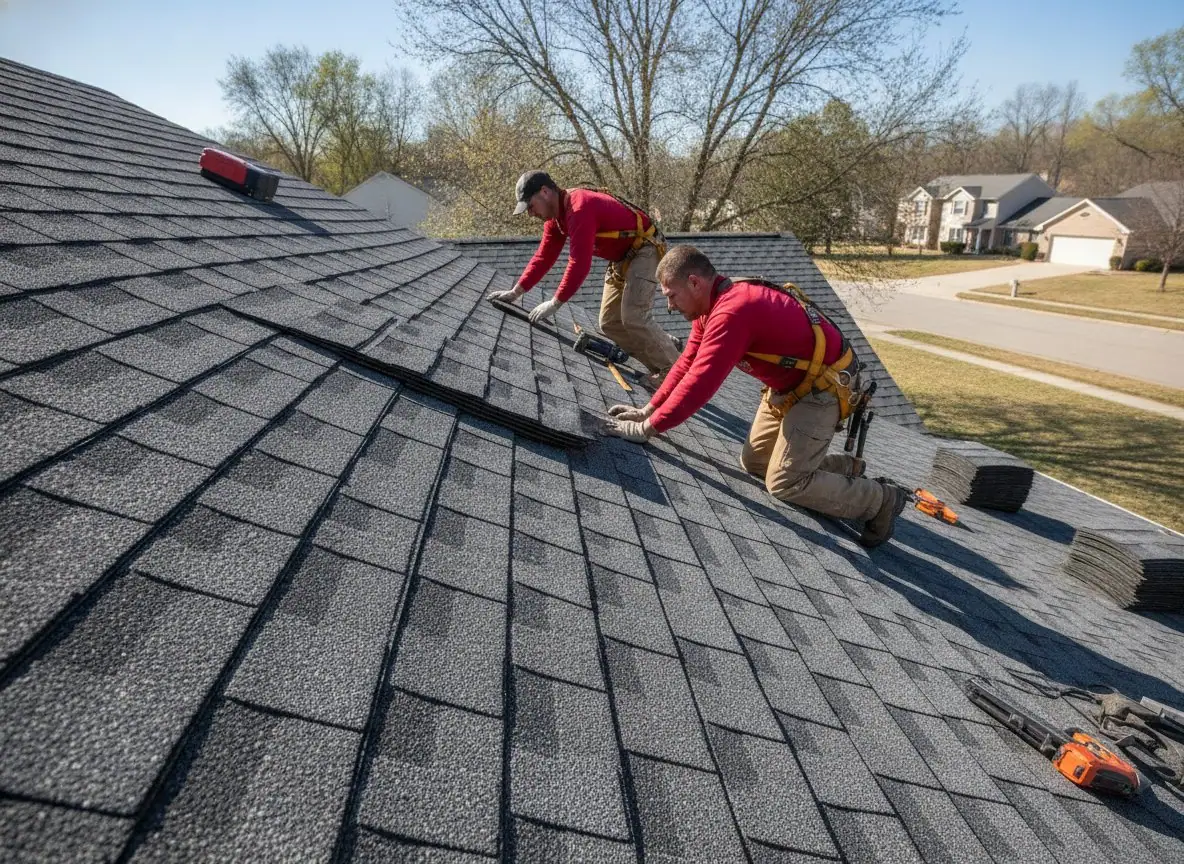
Yes, a section of a roof can often be repaired without replacing the whole roof, as long as the rest of the roof is in sound condition. Wind damage to a few shingles, a lifted valley, or failed flashing around a chimney or skylight are typical spot repairs.
A sectional repair makes sense when the damage is confined to one area, the surrounding shingles are still flexible and well sealed, and the decking underneath is solid. It may not make sense if the roof is near the end of its life or damage is spread across several slopes. After the tarp is on, we inspect and recommend the right fix, whether that is permanent roof leak repair in Chamblee or our roof flashing repair and waterproofing services. Until that repair happens, the tarp needs to hold up, so it helps to know how long it can last.
How long can a tarp stay on a roof?
A well-installed heavy-duty tarp generally lasts from several weeks up to a few months, but it is meant to be temporary. Georgia sun breaks down tarp material, and repeated wind slowly works fasteners loose.
- Check the tarp after every storm for loose edges, tears, or pooling water.
- Look for new ceiling stains, which can mean water is getting under it.
- Schedule the permanent repair as soon as the insurance adjuster has seen the damage.
Leaving a tarp on too long can trap moisture and damage shingles under it. The next thing most homeowners want to know is what the tarping itself will cost.
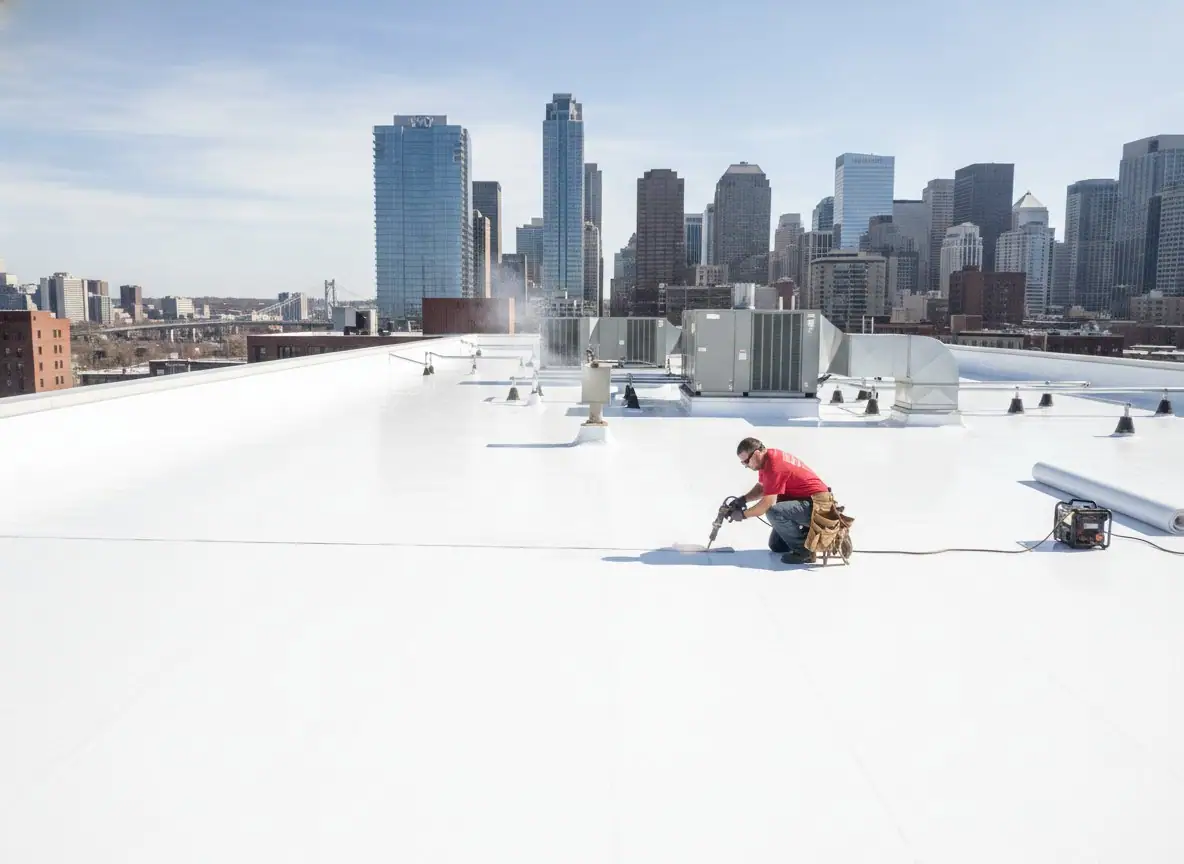
At a glance
How much does emergency roof tarping cost in Chamblee?
The cost of emergency roof tarping depends on the size of the damaged area, how hard the roof is to reach, and what else needs to be done before the tarp can go on. Online summaries often cite a general national range of roughly $200 to $1,000 for professional tarping. Treat that as a broad reference only. We confirm your actual price on the call and in writing after we see the roof.
| Cost factor | How it affects the price |
|---|---|
| Size of damaged area | Larger openings need bigger tarps, more lumber, and more labor. |
| Materials | Heavy-duty tarps, boards, and fasteners rated for wind cost more than light tarps but hold far better. |
| Roof pitch and access | Steep, tall, or hard-to-reach roofs require more safety equipment and time. |
| Debris or tree removal | Limbs and debris must be cleared before the tarp can be installed. |
| Extent of damage | Multiple damaged areas or weakened decking add work and materials. |
| Timing and conditions | Night or active-storm work can require additional crew and lighting. |
Our inspections are free, and you get a written quote before work begins. Tarping is the first cost, and the repair that follows is the second.
What is the average cost of a small roof repair?
A small roof repair costs less than a sectional replacement, but the exact price depends on what failed and what it takes to fix it correctly. We do not quote numbers without seeing the roof, because two leaks that look the same from the ceiling can have very different causes.
The main price drivers are the type of repair (shingles, flashing, valley, or sealing), roofing materials, roof pitch and access, whether old material must be torn off, any decking replacement, and whether a permit is required. You can read more about roof leak repair costs, and we provide a written quote after a free inspection. For many homeowners, the bigger question is whether insurance will pick up some of this.
Does insurance pay for emergency tarping?
In many cases, yes. Emergency tarping is often reimbursable under the mitigation or "reasonable repairs" provisions of a homeowners policy when the damage comes from a covered event such as wind, hail, or a falling tree. Coverage depends on your specific policy and deductible, so confirm with your insurer.
Good documentation makes reimbursement much easier. We help homeowners with insurance claims and can walk you through what your adjuster needs.
Insurance documentation checklist
- Date and time of the storm and when you first noticed the leak
- Photos and video of roof damage before the tarp goes on
- Photos of interior damage: ceilings, walls, floors, and belongings
- Photos of the installed tarp
- Itemized receipt or invoice for the tarping
- Receipts for any related costs, such as water cleanup supplies
- Your claim number and adjuster contact information
- A copy of the written repair quote
Even with insurance help, some homeowners face a larger bill than expected, so it is worth knowing your options.
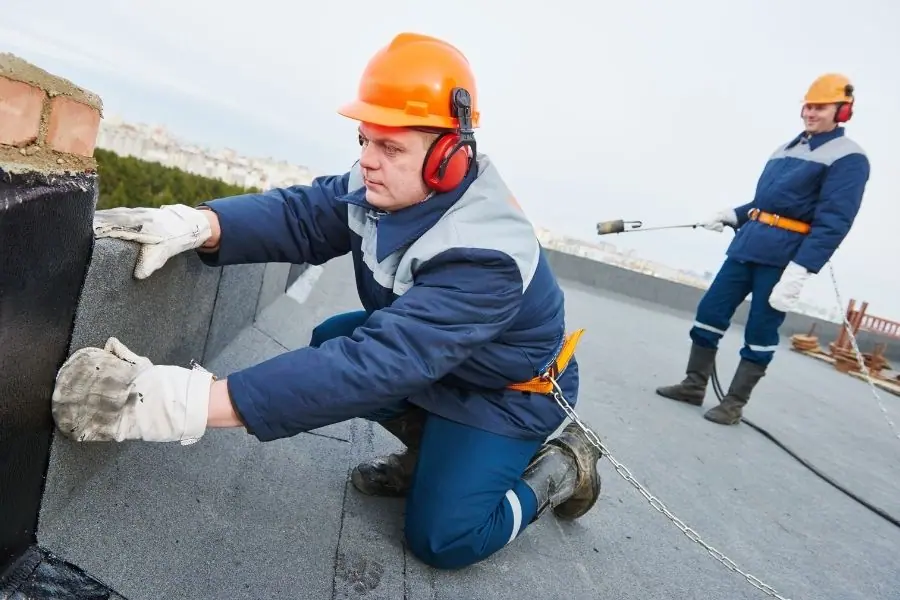
What do I do if I can't afford a new roof?
If you cannot afford a new roof, start by finding out whether you actually need one. Many leaks can be solved with targeted repairs, flashing work, or waterproofing that extends the life of the existing roof.
- Get a free inspection to separate what must be fixed now from what can wait.
- File an insurance claim if the damage is storm related.
- Consider repair or coating options such as roof leak repair, waterproofing, or roof coating application where the roof is a good candidate.
- Ask about financing. Top Notch Guard Roofing offers financing so you can spread out the cost of needed work.
Whoever ends up doing the work, you should also understand your liability while they are on your roof.
Can a roofer sue me if he falls off my roof?
A roofer can potentially make a claim against a homeowner after a fall, which is why you should only hire contractors who carry their own insurance. When a contractor is properly insured, injuries to workers are generally handled through the contractor's coverage, not your homeowners policy. This is general information, not legal advice.
- Ask for a current certificate of insurance before work begins.
- Be cautious with anyone who asks to be paid in cash with no paperwork.
- Get the scope of work and price in writing.
Top Notch Guard Roofing is insured, and we are glad to provide proof of coverage before any work starts. When you are ready, here is how to reach us.
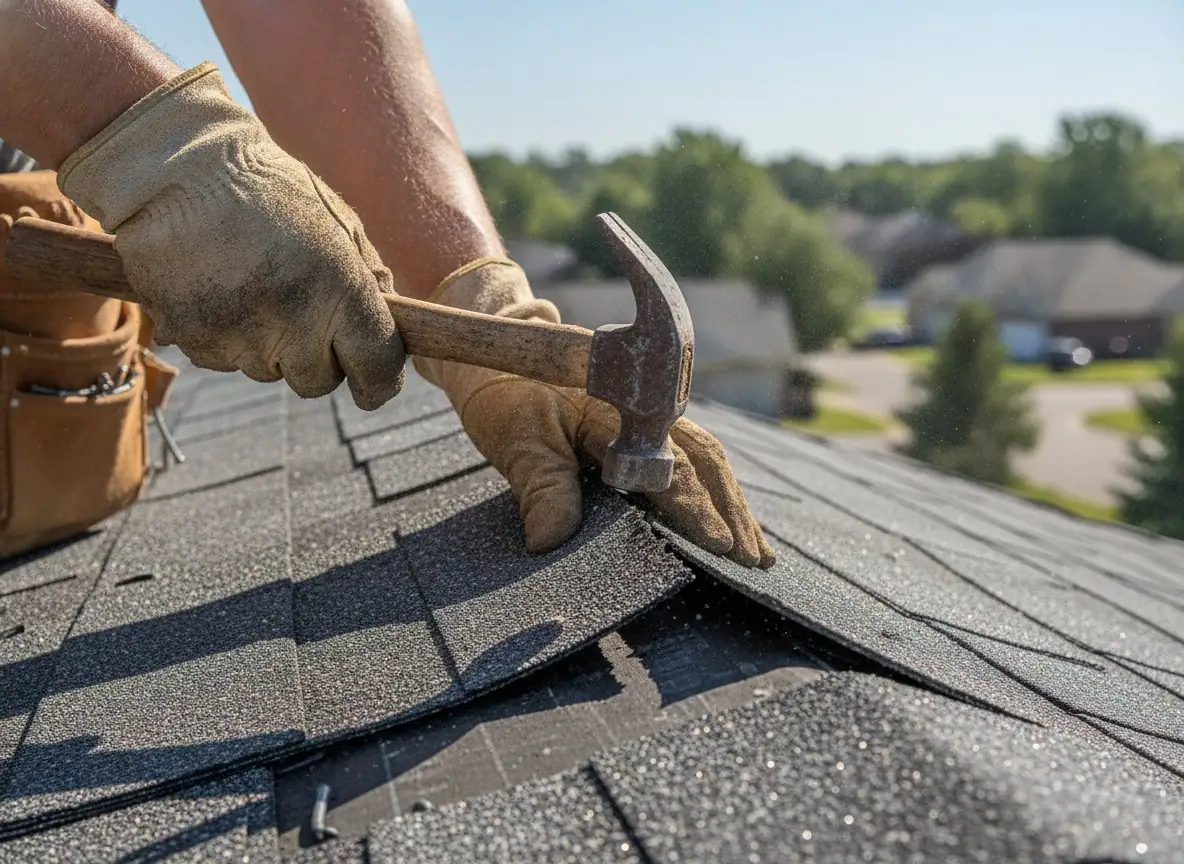
Call for 24/7 emergency tarping in Chamblee
For emergency roof tarping in Chamblee, call 770-525-6302 any time, day or night. Several local contractors offer leak mitigation, so tell us what you are seeing when you call and we will explain next steps, including what to photograph for your claim before we arrive.
After the tarp is on, we follow up with a free inspection, a written quote for the permanent repair, and help with your insurance documentation. Learn more about our company or visit our 24/7 roofing contractor in Chamblee home page.
Service area
We serve homeowners and commercial property owners throughout Chamblee, GA, including:
- Downtown Chamblee
- Huntley Hills
- Sexton Woods
- The Peachtree Industrial Boulevard corridor
- The Buford Highway corridor
FAQ
Frequently asked questions
Will a tarp stop all leaks until the permanent repair?
A properly installed tarp stops most water from entering through the damaged area, but it is a temporary measure. Leaks from other spots, wind-driven rain under loose edges, or damage the tarp does not cover can still let water in. Check the ceiling after each storm and call us if anything changes.
Can you tarp a roof at night?
We offer 24/7 emergency service, and night tarping is possible when conditions are safe. If high winds, lightning, or structural damage make the roof unsafe, we will help you control water inside and install the tarp as soon as it is safe to do so.
What should I photograph before the tarp goes on?
Photograph the damaged roof area from the ground, any fallen limbs or debris, missing or lifted shingles, interior ceiling and wall stains, wet insulation in the attic, and any damaged belongings. Include wide shots and close-ups, and keep the files with their original dates.
Is tarping covered under homeowners insurance?
Often it is, when the damage results from a covered event and the tarping is a reasonable step to prevent further damage. Keep your receipt and photos, and check your policy and deductible. We help homeowners with insurance claims.
How soon after a storm should I call?
Call as soon as you notice damage or a leak, even if the rain has stopped. Water spreads into insulation and drywall quickly, and insurers generally expect prompt mitigation. Calling early also gets you on the schedule before the next round of weather.
Have storm damage or an active leak? Call Top Notch Guard Roofing 24/7 at 770-525-6302 for emergency tarping and a free inspection. You can also reach us through our contact page.
Why choose us
Why choose Top Notch Guard Roofing?
Free estimates
Get a clear, no-obligation estimate before any work begins.
Licensed & insured
Your property and our crew are protected on every project.
Residential & commercial
One team for homes, multi-family and commercial properties.
Locally owned & operated
A local team serving your community and the surrounding area.
Get in touch
Find roofing help near you
Request a free estimate online or give us a call — our team will follow up quickly.
- Call us770-525-6302
- Visit5449 Peachtree Rd, Chamblee, GA 30341
- HoursMon-Sun: 7:00 am – 7:00 pm